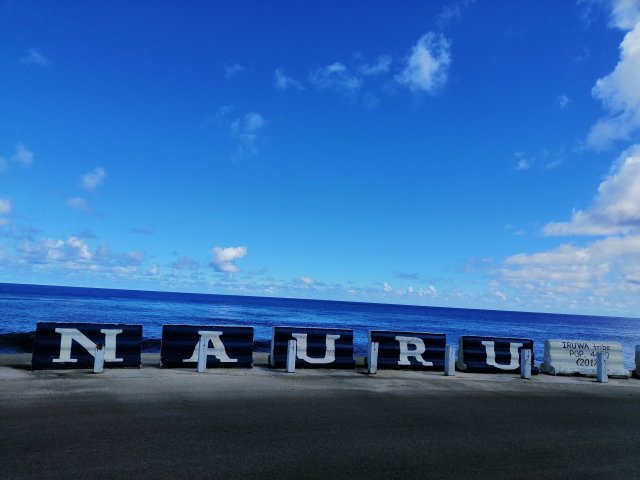
Once upon a time there was a tiny island nation in the Pacific, renowned for its quality phosphate. It was Nauru, one of the richest countries in the world. Today, Nauru still tops the ranks and keeps its fame, not for its phosphate and long gone richness, but for reasons that you might not expect: to name a few, it is the least visited country in the world (or the second least visited according to some), the 3rd smallest state and the most obese nation on the planet. And it featured prominently in the press when it became what some called a “dumping ground” for the refugees that Australia did not want (a quick search on Google can tell you more about this and other details about the country that you might be interested in).
Nauru certainly has a dark past, a past that brought it to its knees, so much so that it is now greatly dependent on external aid and considered to be Australia’s “client state”. But how does Nauru actually feel like and why would anyone want to visit it? Why DID I want to visit it? Curiosity I suppose: at exploring a country that only a very few dare or want to set foot on and at seeing with my own eyes “what is left of its past”. And what a different experience Nauru would be!
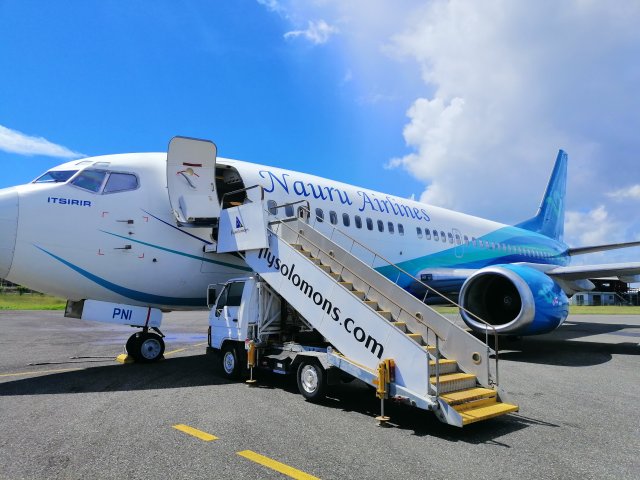
Boarding Nauru Airlines’ famous bird (Boeing 737), I was filled with nothing else but a spirit of inquiry. I would probably be among the very few visitors to spend an entire week in the 21 square km country, a bit too long in the eyes of some (as far as I understood, tourists typically spend just a few days here). Trust me, with Nauru’s unbearable heat, you’ll be happy to add some extra time to your visit. You won’t regret it. I certainly didn’t. Especially when you choose an Airbnb stay, instead of the usual hotels (speaking of which, most of the official information that you’ll find online about the country seems to be a bit outdated, so I would recommend checking blogs or other accounts by fellow travellers that have been to Nauru; they will be much more accurate and insightful, as I was about to discover myself). That same Airbnb stay which will immerse you in the Nauruan life, opening up a few windows for you to see its history and true soul.
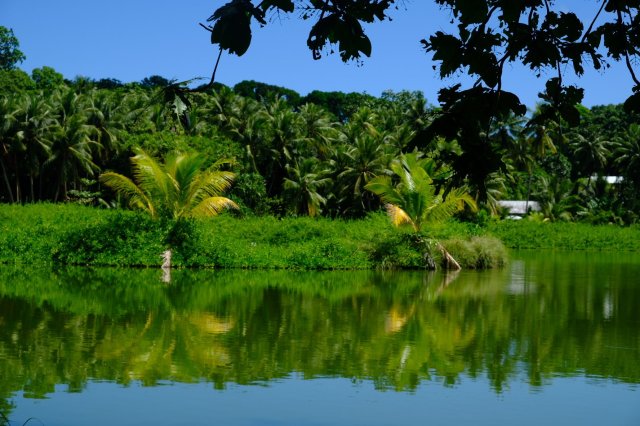
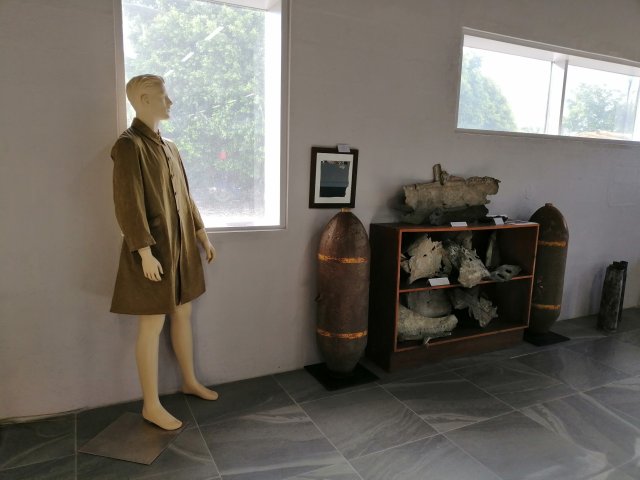
Your first steps on Nauruan land will not come without a rather strange feeling. At least this is how I experienced it. Strange because you might be used to people in other Pacific countries being very outgoing, friendly and welcoming you. Nauruans are no less friendly and welcoming; they are however shy and you might need to be the one starting the conversation not the other way around. And you’ll be surprised about their curiosity and interest in you. I am told I’m a chatty person but I can’t help it when people tell me I’m the first Romanian they’ve met and would like to hear more about my country (or myself and what on earth I am doing so far from home). It started with my Airbnb host, an Aussie rules football coach, whom I bombarded with questions about his country and what one can see and do there. It continued with a Fijian who probably felt sorry for me walking in the heat (my red face and soaked t-shirt betraying me big time) and who offered me a ride. Since I had no clear destination in mind (story of my life when travelling), I was given a tour of the island, passing by the green Buada lagoon, the once famous phosphate mines and the beautiful Anibare Bay. And how I enjoyed my free tour, in good company and cooler air! My feet, face and t-shirt certainly enjoyed it too. It was only a few hours after that that I got another free tour, this time virtual. Chatting with an Aussie working at Nauru’s only museum, I got to learn a bit more about Nauru’s history, dark and bright. And about his own life.
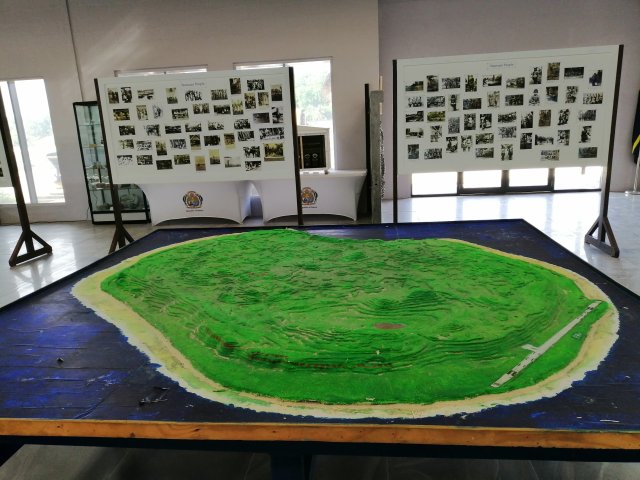
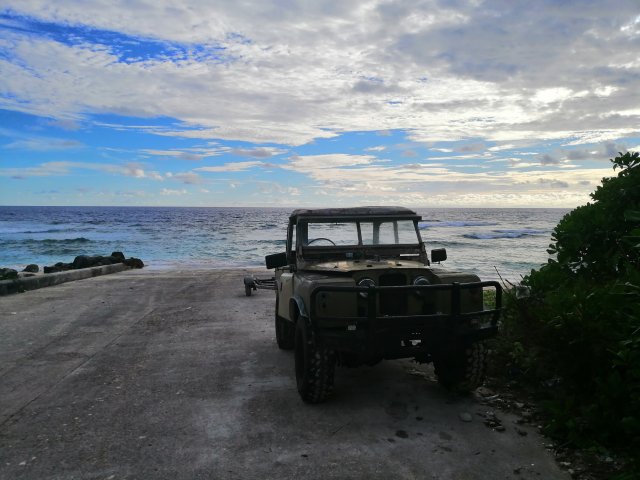
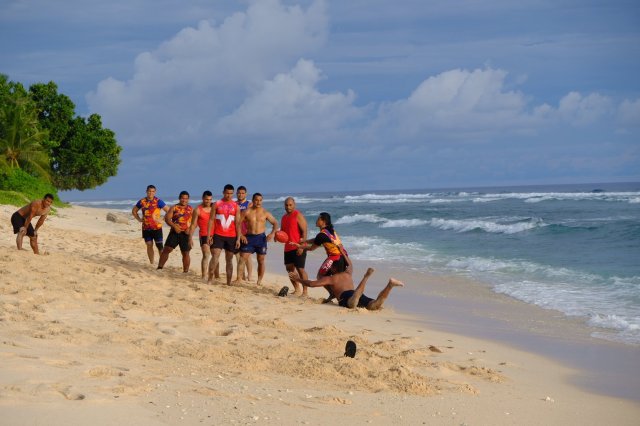
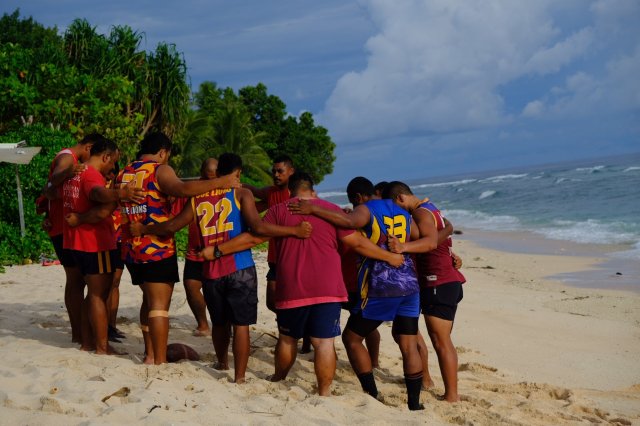
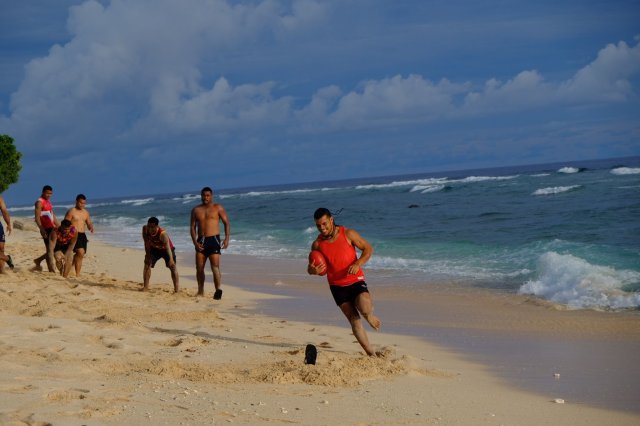
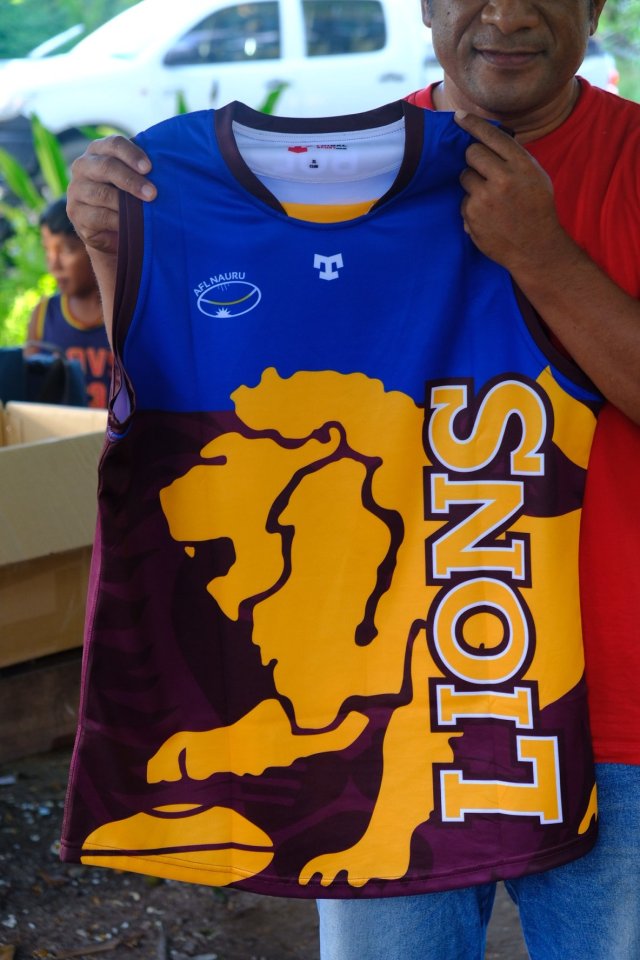
I would also learn more about the Aussie rules football, when attending my host’s team training in my (soon to discover) capacity as the team’s official photographer. I won’t lie: I enjoyed a bunch of guys, younger and older, posing for me one by one (don’t let your mind trick you, I am talking purely about photography). Apparently they enjoyed it too (so I was told). And they enjoyed it again when I was called in for the handing over of the team’s new t-shirts.
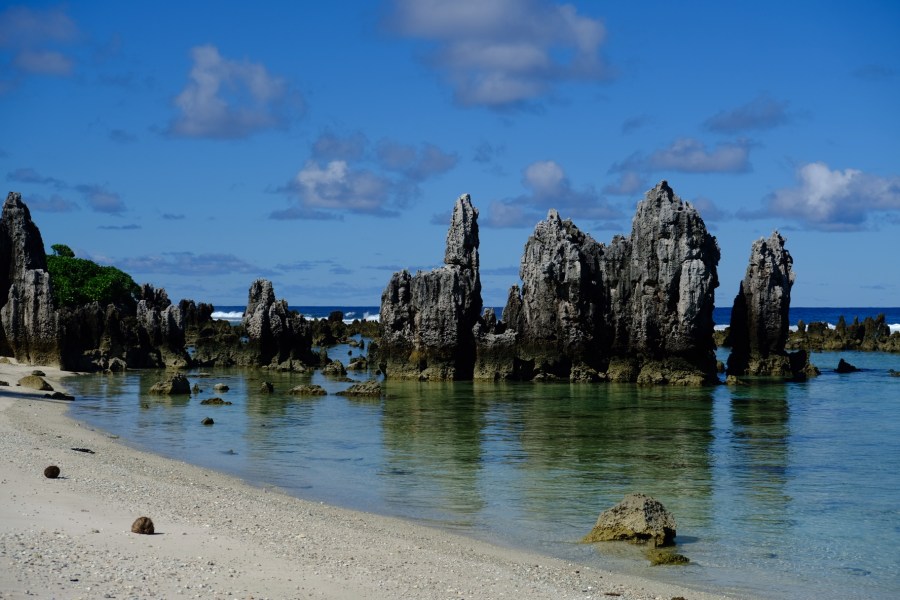
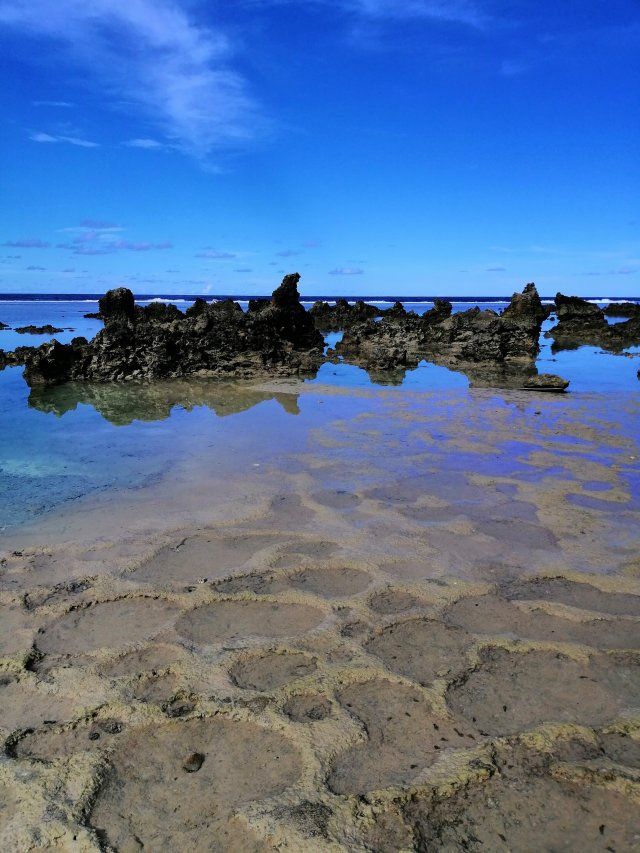
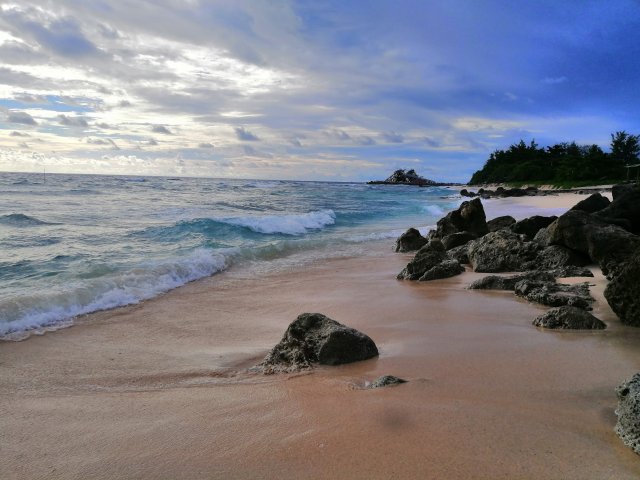
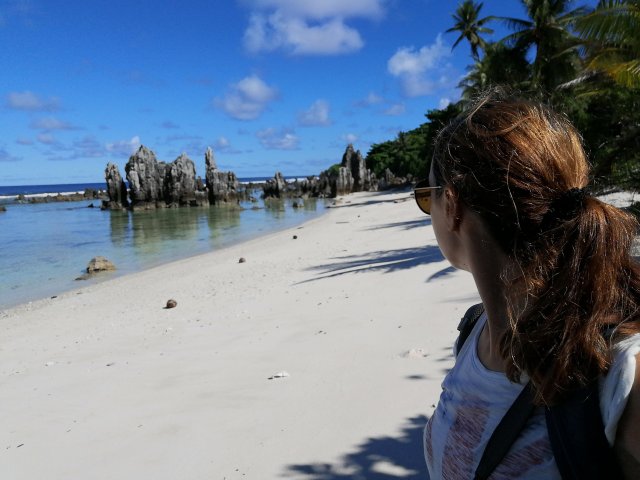
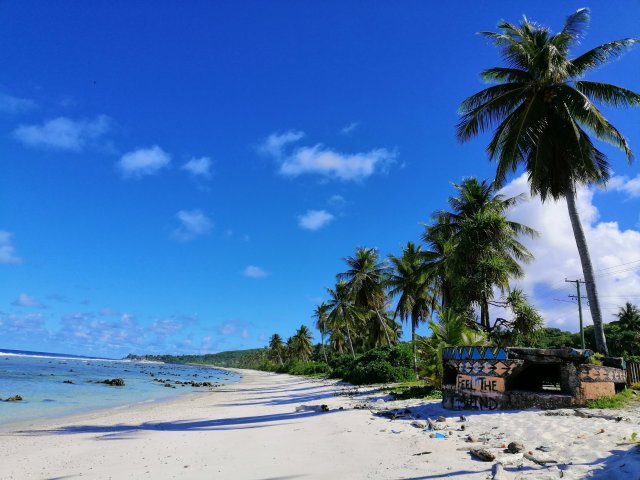
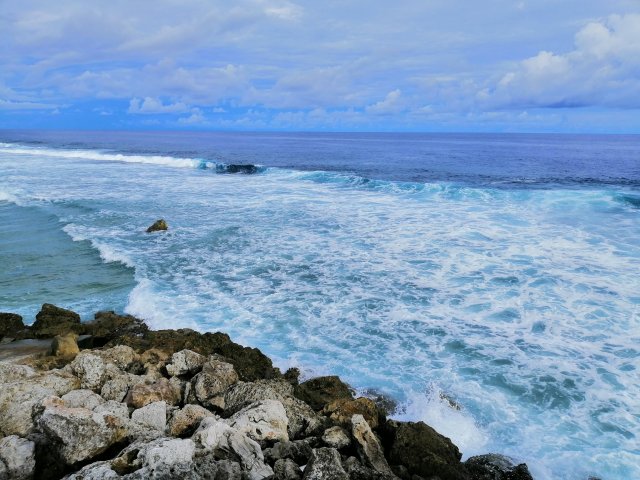
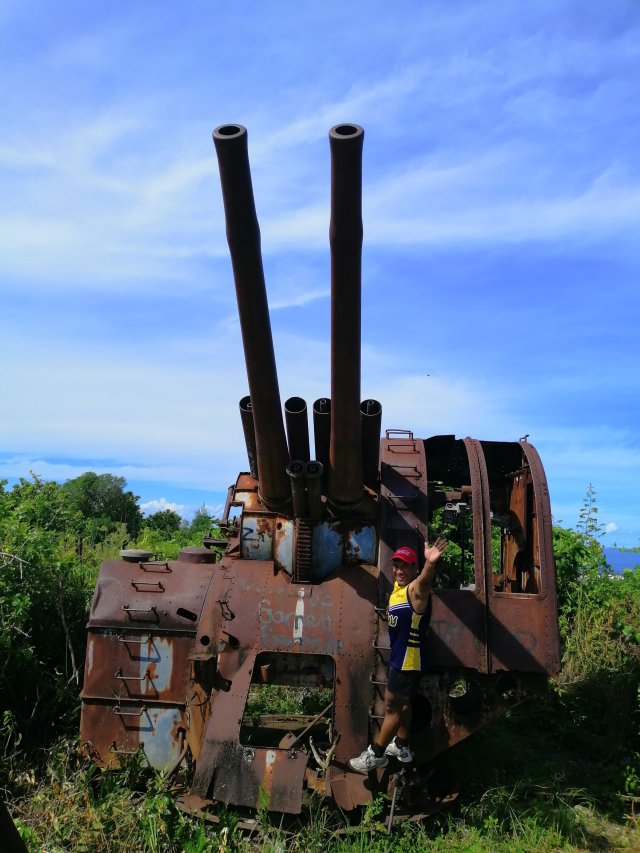
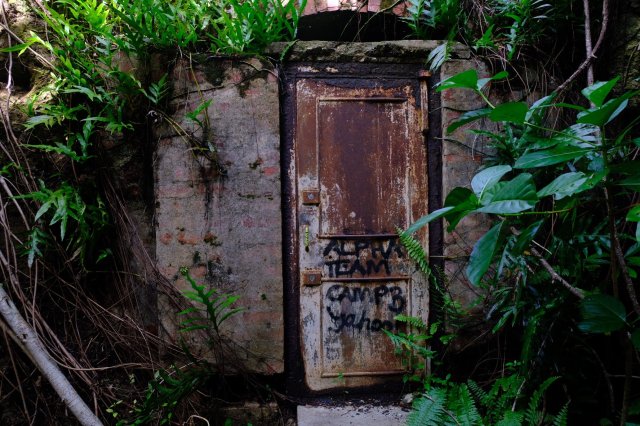
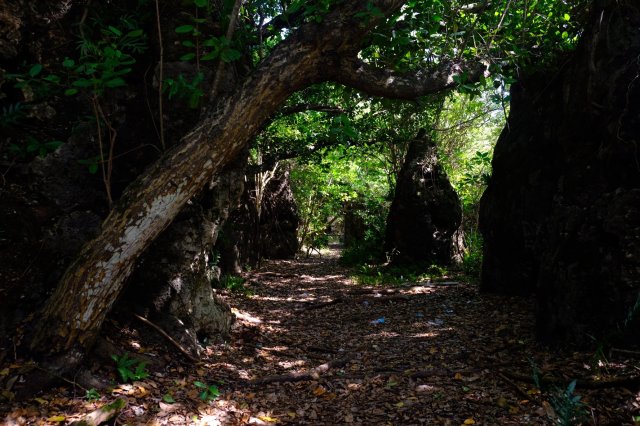
Nauru may be a small island, but it doesn’t lack eye pleasing landscapes, those that you’re never tired of photographing. And no need to mention how many photos I took strolling on Anibare beach, gazing at the limestone pinnacles (believe me, you would do the same if you were me, especially if you were the only tourist on the beach, heck on the whole island😅), or walking around Yaren, listening to the waves violently crashing close to the shore or burning a few calories while fighting the heat on your way to the Japanese prison and Command Ridge. By the way, the heat will not be the only one that you’ll be fighting. Mosquitoes in Nauru are vicious…and don’t fool yourself, you’re entirely sure to lose the battle against them. I lost…and gained at least a dozen new bites every day (but I have to tell you that there were a few casualties on the mosquitoes’ side as well 😏). Talking about battles, you’ll find quite a few WWII relics in Nauru: machine guns, bunkers, airplane parts, a prison, etc. The challenge would be to reach them, since they are tucked away in the bushes.
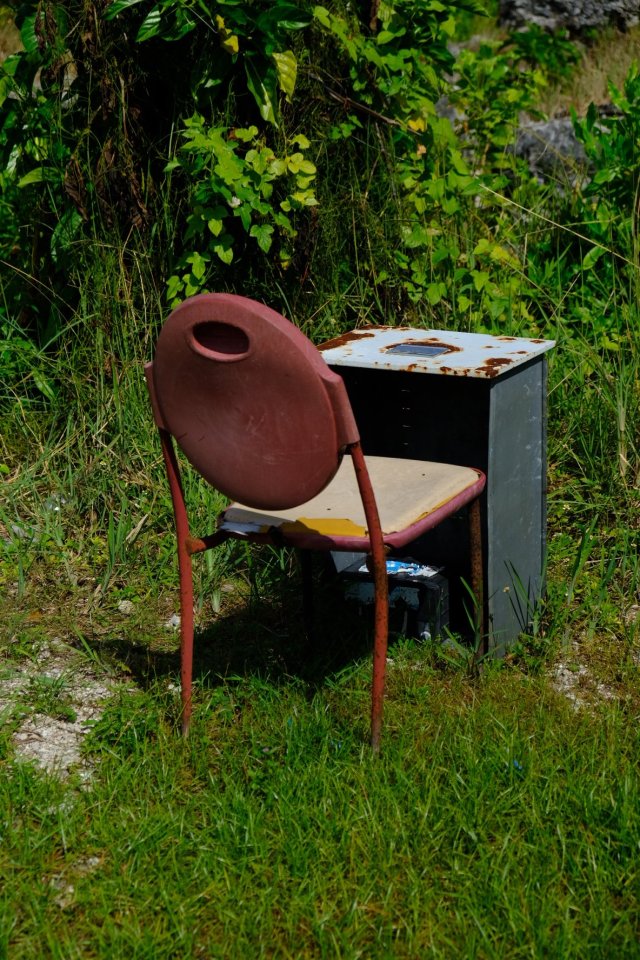
However, if you’re a history enthusiast and don’t feel up for the challenge, you can take a break from the heat and stop by the library in Yaren. It is pretty tiny, but I’m sure you’ll find some good reading material. On your way to the library, you might also want to stop by Nauru’s Parliament House. You’ll have your own, private (and yet again free) tour. And you’ll keep your brain active (the heat might have had some effects on mine).
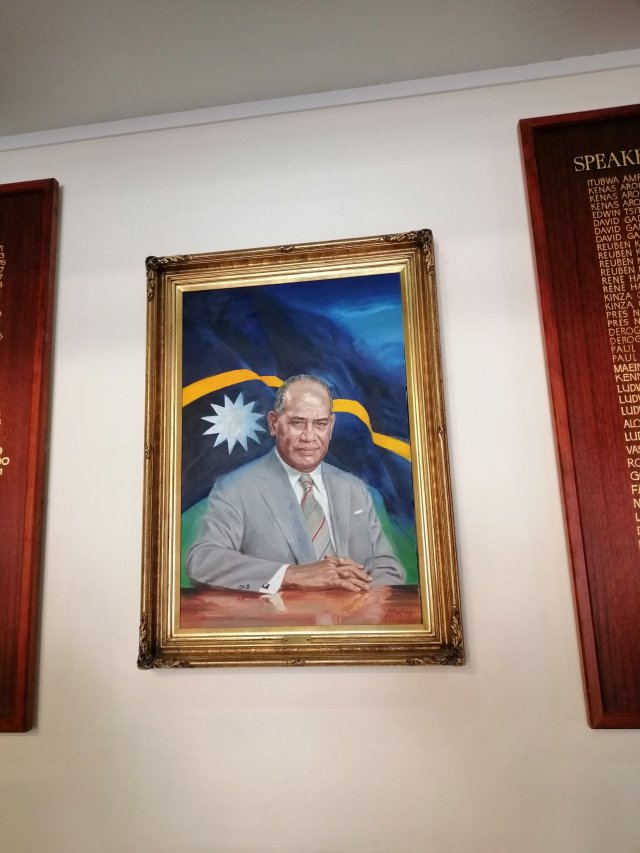
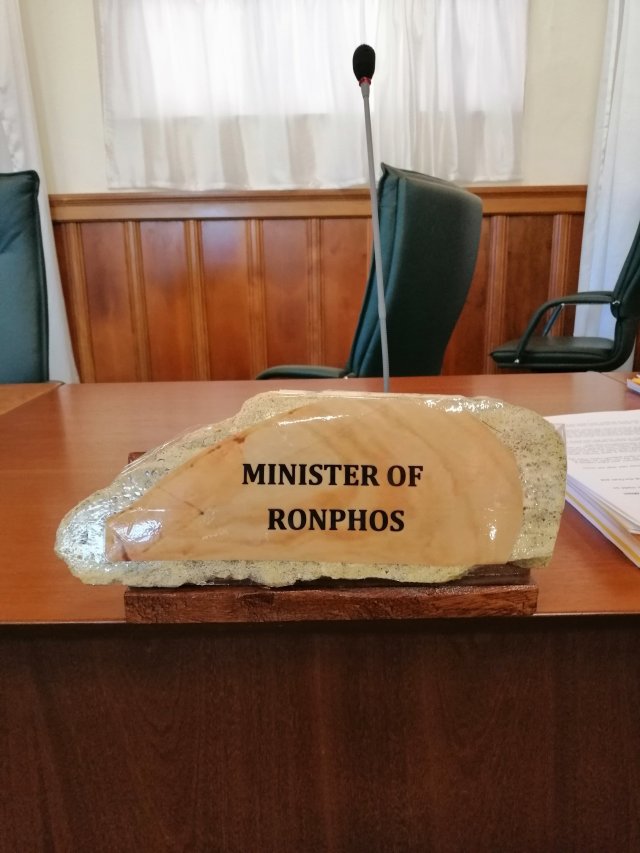
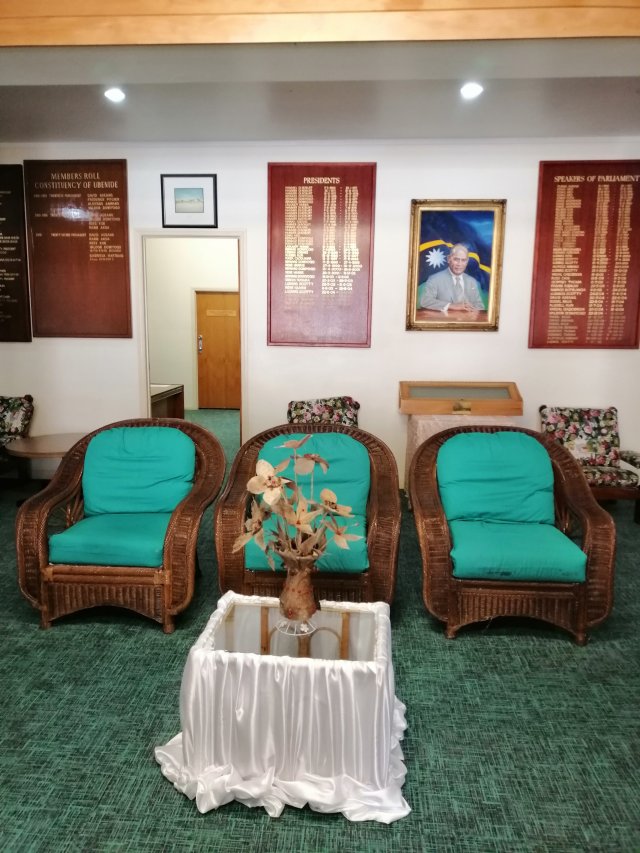
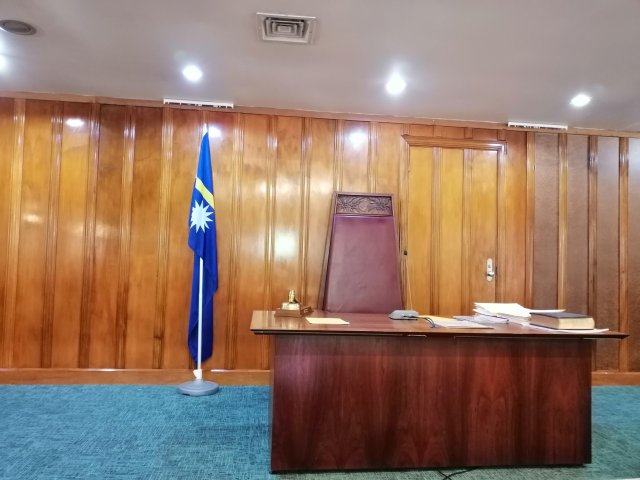
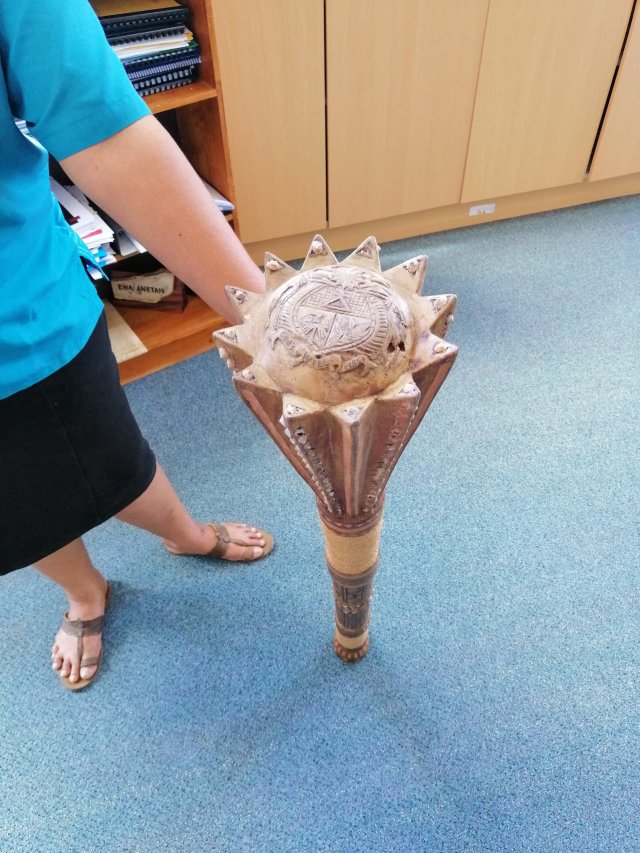
Not to fret though, should you not fancy a trip to the library or the Parliament House, your Airbnb host might happen to have some good books to read. Remember that only book that I took on my trip and finished in 4 months? Would you be surprised (=impressed) if I told you that I managed to finish a 500 pages one in just a few days? Funny how things work. I know what you’re thinking: she got bored. Let me tell you that I didn’t. If only for fulfilling my 10,000 steps per day ambition, I decided to walk most of my time in Nauru (yes, in the unbearable heat), occasionally giving in to a hitchhike or a free ride offered by a local when an unexpected downpour came my way. Of course, what better way of starting your day than by getting soaked right after you washed your hair? But it was precisely because of my wet t-shirt that I got to chat with the mother of the local that offered me the ride, the same mother that gave me a brand new and dry t-shirt as a present. I tell you not, the lady was both funny and cheeky, giving me a few good laughs.
Laughs… they resurface when I think of how I decided one day to hitchhike to the once phosphate mines, raising a few eyebrows after ending up instead at a refugee camp. “Walking by herself on dusty roads, in the middle of nowhere and in the scorching sun, in search of the phosphate pinnacles: could she be an undercover journalist trying to get to the camps, using as pretext the pinnacles?” They didn’t verbalise it, but it was not hard to tell what their thoughts were – “they” meaning the two people that I hitched hiked with (having walked for a few minutes on deserted roads, in burning heat and dust, I finally gave up and decided to hitchhike). As much as I tried to convince them, I am still not sure if they really believed that I was just a (perhaps crazy) tourist. After all, the recent history stands witness to such attempts of getting information about and from the camps (I have to admit though, I felt a certain curiosity about the camps too).
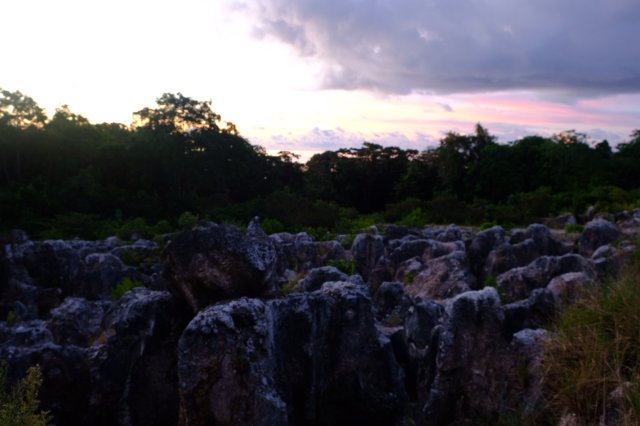
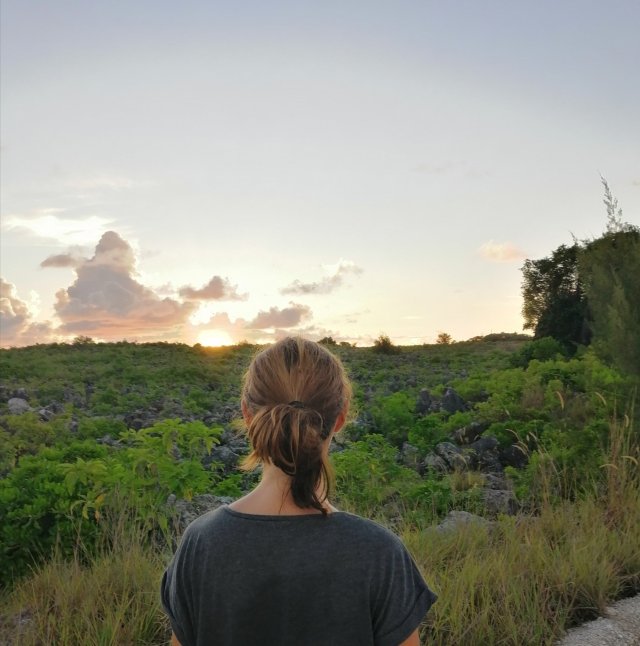
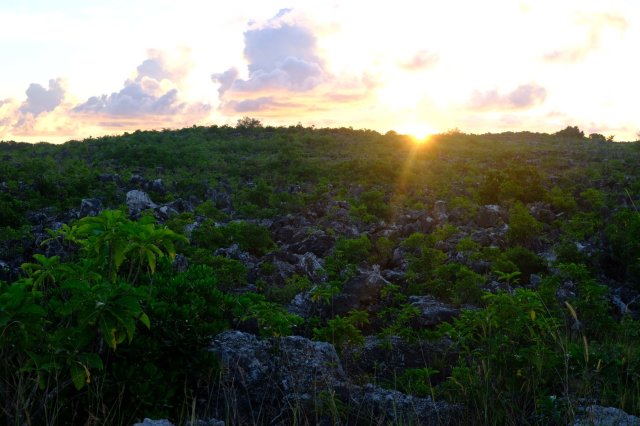
Being taken for a journalist will not be a one off occasion. With roughly 200 visitors per year, you won’t be surprised that the locals think that you’re anything else but a tourist. You might convince them of this when you foolishly decide to walk the island on your last day in the country, acquiring some bragging rights about how you walked the entire island nation of Nauru on one morning. A mere 16,6 km walk in more or less 3,5 hours (in actual fact, you’ll not walk the whole 21 km, but less – at least according to my phone). Had it not been for the cloudy weather carrying along a cool breeze and the relative luck with dog encounters, you would have seen me on the front page of some unknown news publications. I leave it to you to imagine the headline, but what I can tell you is that it would have featured heat, many dogs…and a human casualty.
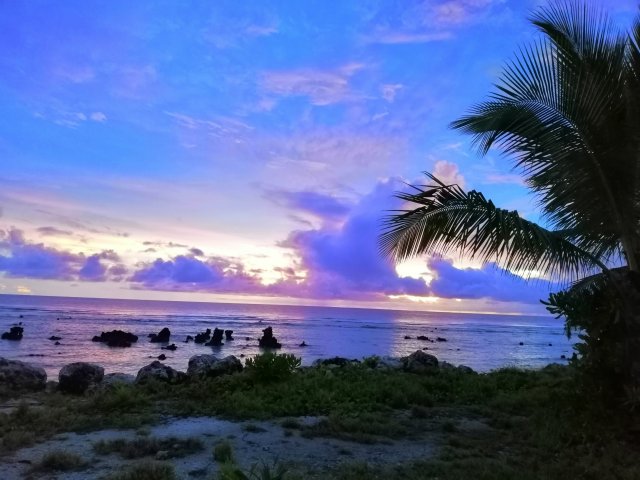
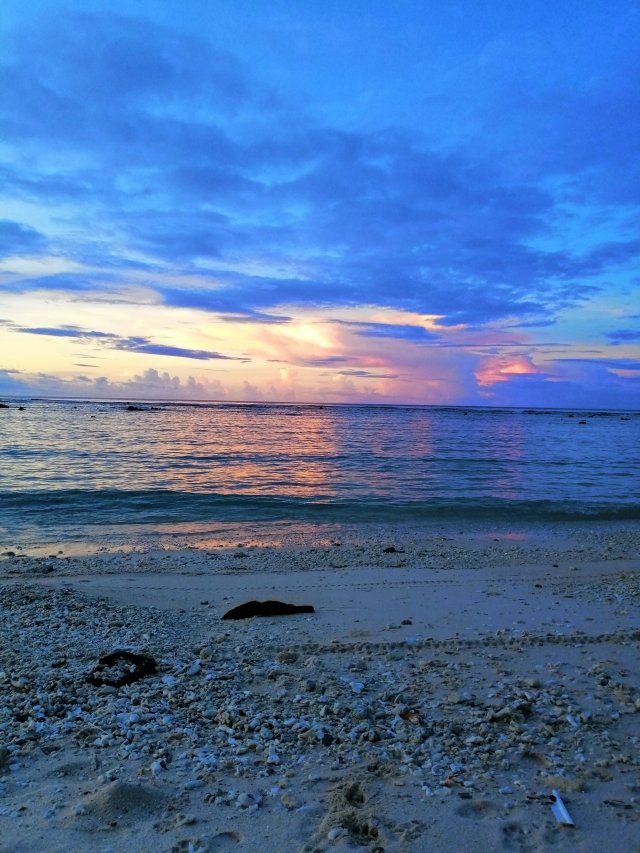
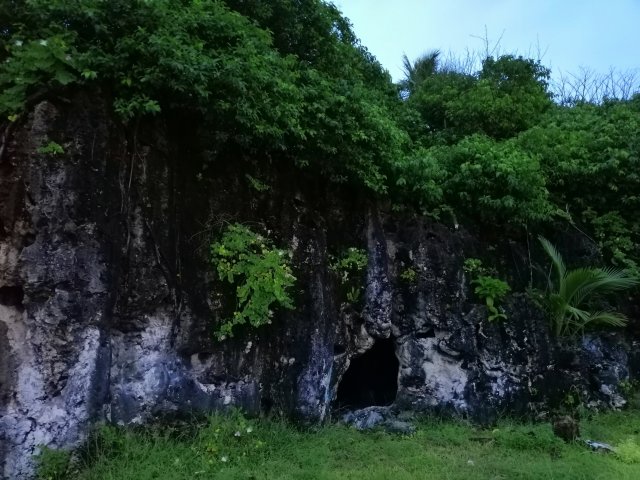
Luckily, no human casualties, but a good amount of stories carrying with them feelings, emotions and thoughts of all kinds. It wasn’t the Nauru that I read about. It was a peaceful, yet vibrant, friendly and surprisingly connected to the world Nauru. And it made me smile.
 goingsolo
You’re a good photographer
LikeLiked by 2 people
how many days would a good visit to nauru take? how big is the island anyway? you use a motorbike to get around?
LikeLike
I would say around 3 days. Of course, you could do it in less also but this would at least allow you to do more things at a slower pace and enjoy it a bit. The island is very small, about 21 km. You can walk it in a few hours. I believe you can rent a motorbike or a car. I hitched hiked and walked mostly. 🙂
LikeLiked by 1 person
thanks much, my friend!
LikeLiked by 1 person